Philly Has Its Own Bridge of Sighs
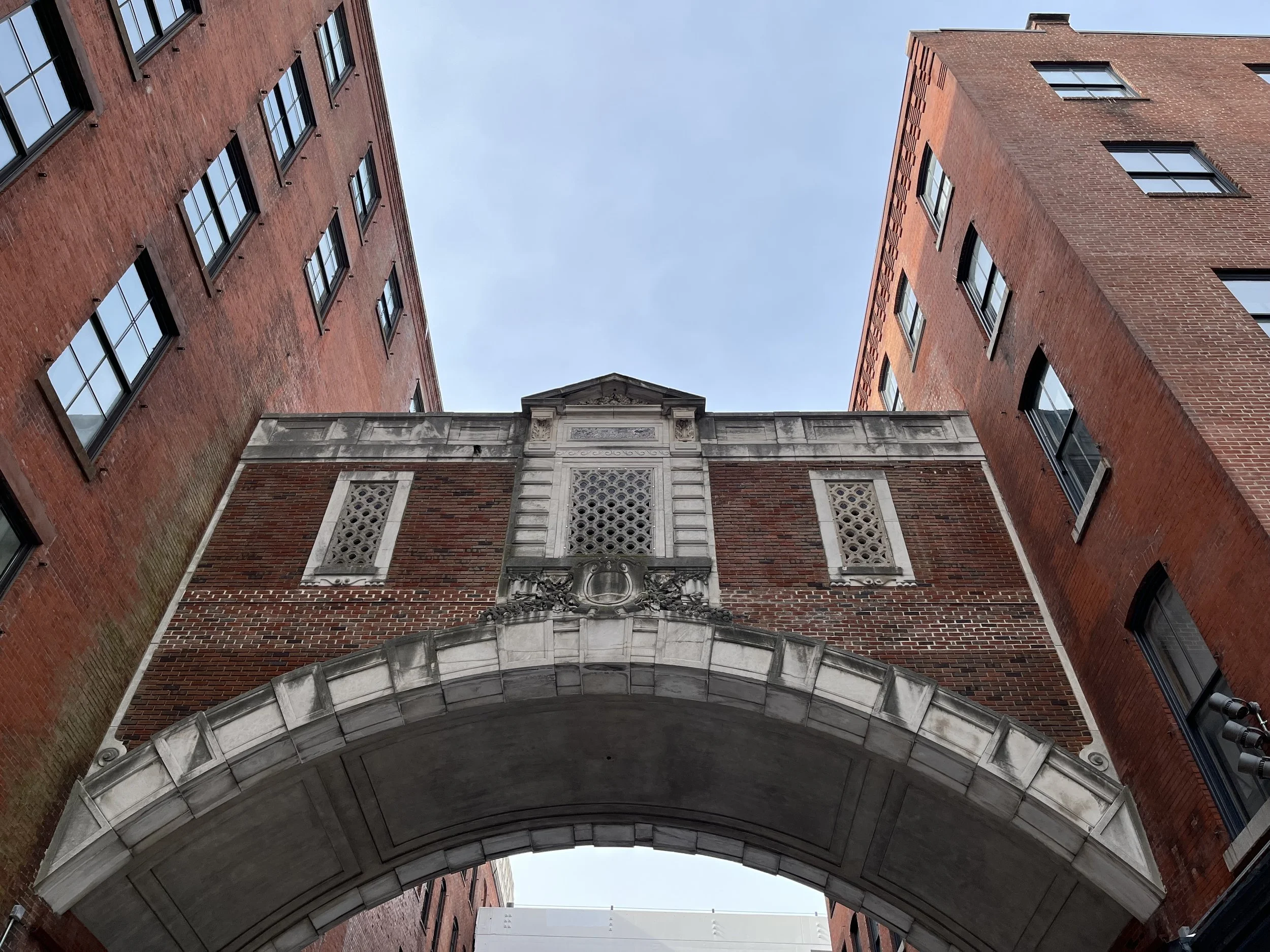
Years ago, in Venice, I was captivated by the ornate Bridge of Sighs (Ponte dei Sospiri), built in 1600. So, I was stunned one day to see Philadelphia’s own version near 7th and Filbert Streets. Photo by Jim Murphy, author of "Real Philly History, Real Fast."
Venice’s Original Bridge of Sighs
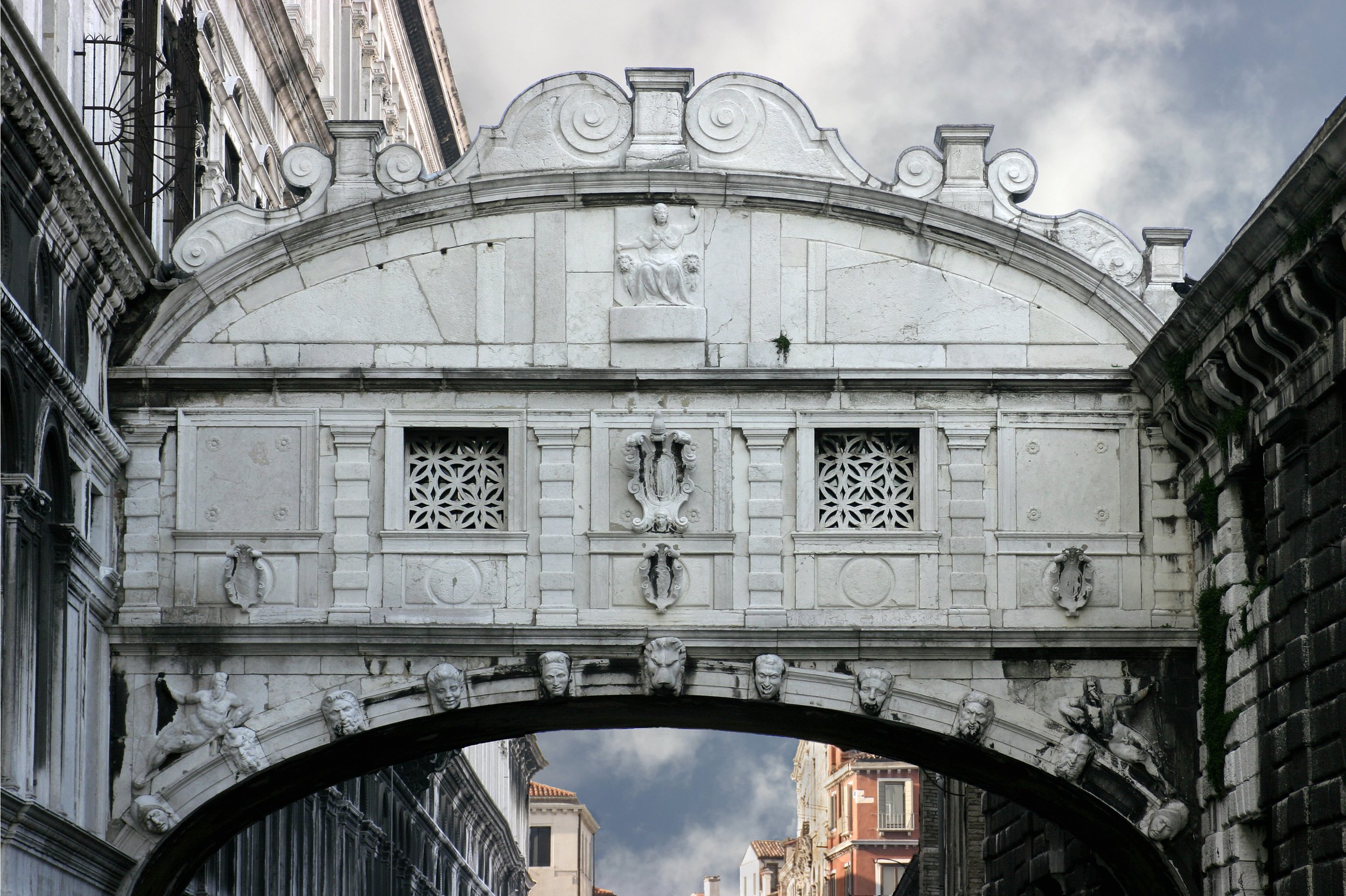
This file is licensed under the Creative CommonsAttribution-Share Alike 3.0 Unported license. User: Nino Barbieri. https://commons.wikimedia.org/wiki/File:Venice_-_The_Bridge_of_Sighs.jpg
Why is it named Bridge of Sighs?
Poet Lord Byron imagined the inmates passing from the interrogation room in the Doge’s Palace to the New Prison sighing as they took their last look at Venice through the bridge’s grated windows before going down to their cells.
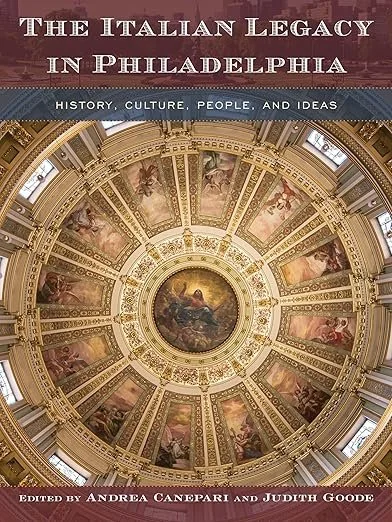
The view is considerably different at Philadelphia’s bridge, says Inquirer architectural critic Inga Saffron in "The Italian Legacy in Philadelphia: History, Culture People and Ideas," published by Temple University Press in 2021. That’s also my publisher for "Real Philly History, Real Fast."
Philly’s Bridge of Sighs is "tucked away in a gritty alley on the edge of what was once the city’s main shopping district," she says. "Completed in 1912, it was built to make it easier to haul men’s suits and ladies’ dresses between the former Lit Brothers department store on Market Street and its warehouse on Filbert Street," says Philadelphia Magazine.
Needing more space, Lit Brothers department store on Market Street hired Architects Stearns & Castor to create a bridge from their main store to a warehouse. And they selected the Bridge of Sighs.
It’s certainly an unusual but interesting choice. No wonder I was shocked the first time I saw it.
Odd Coincidence: Philly’s Bridge of Sighs does not connect with a prison. But it does connect with the Cast Iron Building at 718 Arch Street, that’s just a tiny alley across from the Federal Detention Center there. So history almost repeated itself.
Note: When I bought this beautiful coffee table book for my wife, a proud Italian-American, I learned a lot myself and need to go through it again. The book just bursts with wonderful information. I highly recommend it. The editors are Andrea Canepari and Judith Goode.